How to Choose the Best Eco Friendly Shopping Bags for Your Needs?
Choosing the right Eco Friendly Shopping Bags can feel overwhelming. The market offers various options, each with unique features. It’s essential to think about your specific needs and lifestyle.
Many bags claim to be eco-friendly, but not all are created equal. Consider the materials used in their production. Some are made from recycled plastic, while others might be organic cotton or jute. Each material has its advantages and drawbacks. It’s important to reflect on what aligns with your values and preferences.
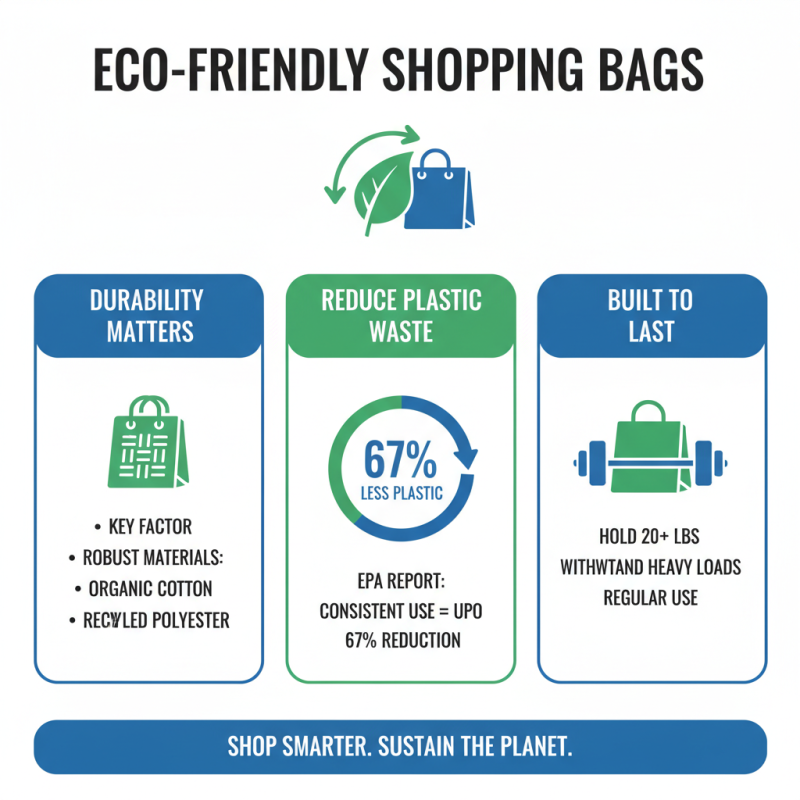
When selecting Eco Friendly Shopping Bags, think about durability and size. Some bags may break easily, leading to waste. Choosing a sturdy option ensures long-term use. While it’s tempting to select a bag based solely on design, functionality is key for practicality. Look for those that can easily fold or fit in your purse. A simple choice can make a significant impact on reducing plastic waste.
Understanding Eco-Friendly Materials in Shopping Bags
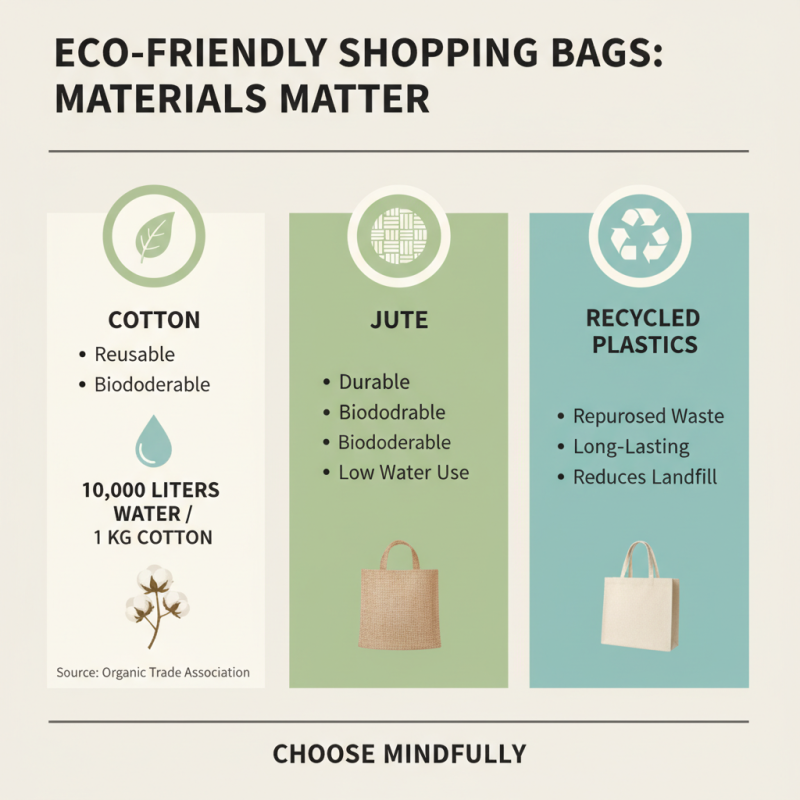
When choosing eco-friendly shopping bags, understanding materials is crucial. Many bags are made from cotton, jute, and recycled plastics. Cotton bags are reusable and biodegradable. However, they require significant water to produce. According to the Organic Trade Association, to produce one kilogram of cotton, it can use 10,000 liters of water.
Jute is another alternative. It grows quickly and doesn’t need fertilizers or pesticides. These bags are sturdy and compostable, making them a popular choice. Still, many consumers overlook their environmental impact due to transportation emissions. Transporting jute from countries where it's grown can increase carbon footprints significantly.
Tips: Consider the entire lifecycle of the bag. How many times will you use it? If it ends up in the landfill, its environmental benefits diminish. Recycled plastic bags often have lower carbon footprints but can still take hundreds of years to decompose. Look for bags labeled as "recyclable” and check if your local recycling program accepts them. Balancing usability and environmental impact requires thought. Don't settle for the first option. Research and reflect on the materials to make informed choices.
Comparing Different Types of Eco-Friendly Shopping Bags
When choosing eco-friendly shopping bags, it’s important to consider the material. Cotton bags are popular. They are durable and reusable. However, the production process can consume significant water. A balance is needed between durability and environmental impact.
Another option is jute bags. Jute is a natural fiber. They are biodegradable and strong, ideal for heavy items. On the downside, they may not be as soft or easy to store. It’s worth thinking about how you will use them and where you will store them.
Recycled plastic bags present another choice. They are lightweight and easy to carry. They also help reduce plastic waste. But, the recycling process can sometimes be energy-intensive. Reflect on your shopping habits. Choose a bag that aligns with your values and daily life.
How to Choose the Best Eco Friendly Shopping Bags for Your Needs? - Comparing Different Types of Eco-Friendly Shopping Bags
| Bag Type |
Material |
Reusability |
Price Range |
Environmental Impact |
| Cotton Tote Bags |
Organic Cotton |
High |
$10 - $20 |
Biodegradable |
| Jute Bags |
Jute Fiber |
High |
$5 - $15 |
Sustainable |
| Recycled Plastic Bags |
Recycled Polyester |
Medium |
$3 - $10 |
Reduces Plastic Waste |
| Biodegradable Bags |
PLA (Corn Starch) |
Medium |
$4 - $12 |
Compostable |
| Canvas Bags |
Cotton/Polyester Blend |
High |
$8 - $25 |
Durable |
Sizing Options: Choosing the Right Bag for Your Purchases
When choosing eco-friendly shopping bags, sizing is key. A bag that's too small may result in multiple trips to the store. Meanwhile, a bag that's too large can feel cumbersome. Opt for a medium-sized bag for general shopping needs. This size allows for flexibility and usability.
For heavy items, consider larger options. It’s important to note that overloading a bag can lead to wear and tear. A bag meant for groceries might not withstand heavy books. Balance is essential. Keep in mind that some bags have reinforcements for added durability.
Tip: Always check the bag's weight limit before filling it up. Additionally, look for bags that can collapse or fold easily. This feature makes storage simpler. Finally, remember that many stores encourage bringing your own bags, which reduces waste. It's an important aspect of eco-conscious shopping.
Assessing Environmental Impact Beyond the Shopping Bag
When selecting eco-friendly shopping bags, it’s crucial to assess their environmental impact beyond just the material used. A 2021 report by the Environmental Protection Agency highlighted that plastic bags account for over 12 million tons of waste each year. This statistic underscores the importance of considering the entire lifecycle of a shopping bag.
Different materials have varied impacts. For instance, cotton bags require more water and resources to produce than you might think. In fact, producing a single cotton tote can consume 20,000 liters of water. This raises questions about sustainability when opting for cotton as the sole eco-friendly choice. Recycling options are also limited for certain materials, leading to more landfills.
Additionally, it's important to consider the transportation emissions of these bags. A lightweight option may seem environmentally friendly but if it travels thousands of miles, its carbon footprint may negate those benefits. Understanding these complexities can be challenging but necessary for making informed decisions. Each choice we make holds the potential for positive or negative environmental consequences. Reflecting on these factors can inspire deeper awareness in our shopping habits.