
7 Tips for Choosing Eco Friendly Shopping Bags?

Choosing Eco Friendly Shopping Bags is no longer a simple matter of picking a green color or natural-looking fabric. A bag’s real impact depends on its material, manufacturing process, durability, cleaning needs, and end-of-life options. The OECD’s Global Plastics Outlook reported that the world generated 353 million tonnes of plastic waste in 2019, while only 9% was recycled. That figure makes everyday packaging choices worth examining, especially when a shopping bag is used for only a few minutes.

UNEP’s Turning off the Tap report identifies reuse, improved recycling, and reduced material consumption as important ways to limit plastic pollution. However, “reusable” does not automatically mean sustainable. A thick cotton tote may require more resources to produce than a lightweight recycled-polyester bag. It also needs repeated use before its environmental cost is balanced. The UK Environment Agency’s life-cycle assessment similarly shows that reuse frequency strongly affects a bag’s overall footprint. Use it often.

This guide introduces seven practical tips for selecting better Eco Friendly Shopping Bags. The discussion considers recycled content, fabric strength, stitching, washability, certifications, supplier transparency, and realistic reuse habits. Small details matter: a reinforced handle can prevent early disposal, while a compact folded design may encourage regular use. Some claims remain difficult to verify. Labels can sound impressive. Therefore, careful buyers should question vague phrases such as “100% green” and look for measurable evidence, credible certifications, and clear product information. The most responsible choice is not always the most fashionable one; it is the bag that fits the shopper’s routine and stays useful for years.
7 Tips for Choosing Eco Friendly Shopping Bags?

Understanding Eco-Friendly Shopping Bag Materials

Choosing eco-friendly shopping bags starts with material, not green wording. UNEP’s 2023 Turning off the Tap report says plastic pollution could fall 80% by 2040 through reuse, recycling, and redesign. That target changes the buying question. A bag is not automatically sustainable because it feels natural. Compare fiber source, manufacturing energy, weight, lifespan, and disposal options. In practical bag evaluations, stitching and handle strength often decide reuse. A torn “reusable” bag creates little benefit.

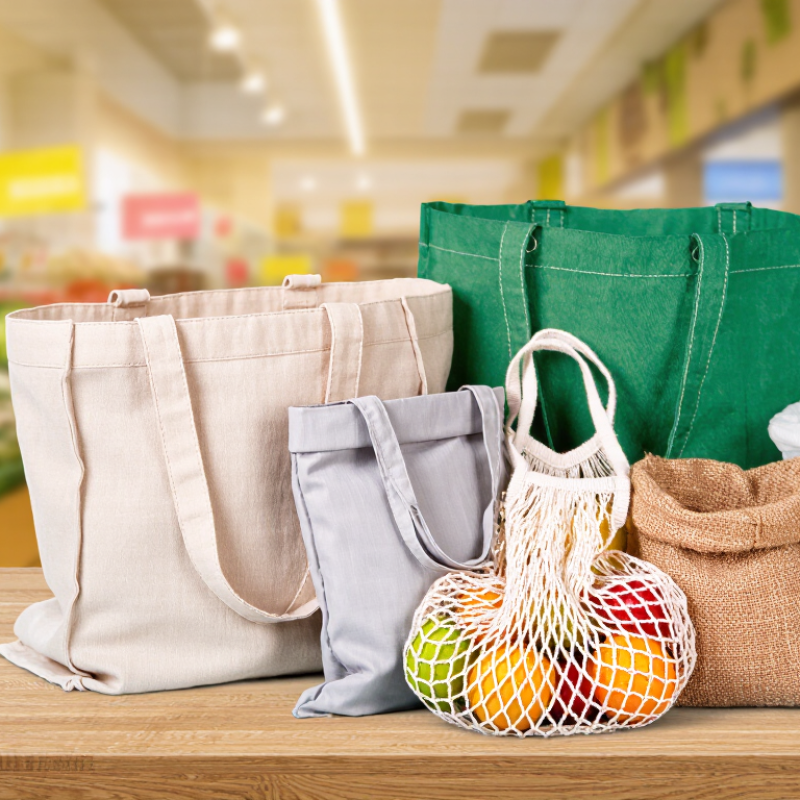
Recycled polypropylene and recycled PET can be durable, light, and suitable for repeated shopping. Ask for verified recycled content, rather than accepting vague claims. The OECD Global Plastics Outlook reports 353 million tonnes of plastic waste in 2019. Only 9% was recycled. That figure makes material recovery important, but it does not excuse disposable design. Cotton feels credible, yet farming and processing require substantial resources. Paper works well for short, dry trips where collection systems exist. It weakens in rain. Small detail, big consequence.

Choose a bag sized for your routine. A heavy canvas tote used twice may perform worse than a lighter bag used fifty times. The answer depends on production and use. Prefer mono-material construction, repairable seams, and clear collection guidance. Ask about coatings, inks, and mixed handles. They can complicate recycling. Be careful with “biodegradable” claims. Many materials need controlled industrial conditions, not a backyard compost bin. My judgment remains cautious: fewer bags, used longer, usually beats collecting attractive alternatives. Yet reuse counts are rarely measured honestly. That gap deserves scrutiny.

Assessing Reusability, Strength, and Practical Design

7 Tips for Choosing Eco Friendly Shopping Bags?

A reusable bag only helps when it replaces many single-use bags. Check its material, stitching, and expected lifespan before buying. A bag used twice is not a sustainable choice. Look for washable fabric and a repairable handle. Cotton can feel natural, but it may require more resources during production. Recycled synthetic fabric can be lighter and stronger, though it may shed fibers during washing. The best option depends on repeated use.

Strength matters in daily situations. Test whether the base stays flat when carrying bottles or vegetables. Examine the seams around the handles, where tearing often begins. A practical bag should hold its shape without feeling bulky. Wide handles reduce pressure on your hands. Longer straps work well over a coat, but they can catch on doors. Small details matter.

Try it in real life. Real-world use matters. Carry a few kilograms for several minutes and check your comfort. A foldable design saves space, yet very thin material may fail under uneven weight. Pockets are useful for keys, but extra features can increase waste and cleaning difficulty. Wash the bag according to its care label, then dry it fully to prevent odors. I once preferred the lightest option, but it felt unstable when loaded. That mistake changed my view: practical strength matters more than appearance. A reliable choice balances reusability, durability, maintenance, and everyday comfort.

Comparing Environmental Impact and Product Lifespan

7 Tips for Choosing Eco Friendly Shopping Bags

Comparing Environmental Impact and Product Lifespan

A shopping bag’s environmental impact depends on both its material and its lifespan. A thin reusable bag may seem greener, but frequent replacement can reduce that advantage. Durability matters most. Check the handles, seams, and base before buying. Strong stitching usually survives heavy groceries and repeated washing.

Consider the resources behind each material. Conventional cotton can require substantial water and agricultural inputs. Recycled fibers may reduce demand for new resources, although production still uses energy. A lightweight bag often needs fewer materials, but it may tear sooner. Choose a practical size, not an oversized one you rarely carry. Then keep it near your door or in your vehicle. Convenience increases reuse.

Use it longer. That is the real test. Wash bags according to their care instructions, and avoid unnecessary hot cycles. Dry them fully to prevent odors and fabric damage. Repair a loose handle with simple stitching before replacing the entire bag. For food shopping, use washable bags for produce, grains, or packaged goods, but separate raw foods carefully. Hygiene affects practical sustainability.

End-of-life planning also matters. Some mixed-material bags are difficult to recycle through ordinary collection systems. Reuse worn bags as storage or cleaning cloths when possible. That comparison is imperfect. Personal travel habits, washing frequency, and local waste services can change the result. A bag used hundreds of times may outperform a “greener” option abandoned after a few trips.

Checking Ethical Production and Safety Standards

Choosing an eco-friendly shopping bag requires more than checking its material. Ethical production includes traceable suppliers, fair wages, safe workplaces, and reasonable working hours. Ask where the fabric was woven and where the bag was stitched. A credible manufacturer should explain these steps clearly. Look for independent audits, worker grievance channels, and records supporting production claims. Certificates can help. They do not replace direct evidence. Traceability matters.

Safety standards deserve equal attention. Check whether the bag has been tested for harmful dyes, heavy metals, and unwanted chemical residues. Handles should withstand repeated lifting, while seams should remain secure after washing or daily use. Ink should not easily flake onto hands. If the bag may carry food, confirm that its material is suitable for that purpose. Requirements vary by market, so reliable documentation should identify the testing method and date. Vague claims are warning signs.

Practical experience reveals small details. Smell the fabric, inspect loose threads, and examine the handle attachments. Ask whether workers receive protective equipment and whether factories maintain fire exits. Do not assume recycled content guarantees ethical labor. I have trusted attractive sustainability claims too quickly, and that judgment needed more questioning. A better choice comes from comparing evidence, not just design or price. Even then, supply chains can remain imperfect and deserve continued review.

Choosing the Right Bag for Your Shopping Habits

Your shopping habits should decide which eco-friendly bag belongs by your door. If you buy groceries weekly, choose a washable bag with wide handles and a flat base. It should stand beside a milk carton without tipping. Check the stitching, handle length, and fabric weight before purchasing. A bag that feels strong but hurts your shoulder may stay unused.

For quick convenience-store trips, keep a lightweight foldable bag in your coat or bicycle basket. Choose one that folds into a small pouch. For farmers’ markets, separate produce from heavier items with washable compartments. A breathable bag can help reduce moisture around leafy vegetables. If you carry books, bottles, or bulk goods, look for reinforced seams and balanced handles. Capacity matters. More space is not always better.

Think about cleaning, storage, and frequency of use. I wash my reusable bags regularly, although I still forget sometimes. Bags used for food need careful cleaning and complete drying. Follow the care instructions, especially when coatings or mixed materials are involved. For occasional shopping, one durable bag may be more practical than collecting several attractive ones. Test the bag with your usual load at home. Notice whether it stretches, smells, or becomes uncomfortable. The most sustainable choice is usually the bag you will remember, carry, and use repeatedly. A perfect choice is unlikely. Practical habits matter more.